Birthstones are more than beautiful gemstones. They carry stories, meaning and emotion – exactly what makes a gift truly personal.
What are birthstones?
Birthstones are gemstones linked to the months of the year. Each month has its own stone, sometimes more than one. The stone is thought to reflect the energy, character or symbolism of that month.
The idea is simple but meaningful: when you wear your own birthstone, you carry a small part of your own story with you.
Explore Taika-korut birthstone jewellery
What do birthstones mean?
Birthstones are tied directly to the month you were born. If you were born in January, your birthstone is garnet; if in March, aquamarine. But their meaning goes beyond the calendar.
For many people, a birthstone is: 1) a personal symbol, 2) a reminder of their own strengths and 3) a way to carry something meaningful with them.
A birthstone can say something about the person who wears it – or about what they need right now: calm, courage, love or a fresh start.
Where does the tradition come from?
The roots of birthstones go back thousands of years.
One of the best-known starting points is the Biblical account of the High Priest's breastplate, which held twelve precious stones. These stones later came to be linked with the months of the year and the signs of the zodiac.
In ancient times, people believed that different stones had special powers: they protected the wearer, brought good fortune, or strengthened body and mind.
In the Middle Ages, a custom arose of wearing a particular stone for the whole of its month. Over time, this developed into today's practice of pairing one stone with one month.
Is there more than one birthstone list?
Yes. There isn't just one "correct" list. The most common are:
- the traditional list (older, historical)
- the modern list (the most widely used today, standardised in the 20th century)
Different countries and cultures may also have their own versions. That isn't a mistake – it's an opportunity.
Why can one month have several stones?
June, for example, is often given three birthstone options: moonstone, pearl and alexandrite. There are several reasons:
- History and tradition: different stones have been used in different eras and cultures.
- Availability and price: not every stone is easy to find or affordable, so alternatives have been added alongside.
- Style and taste: not everyone likes the same colour or stone, and having options makes the choice more personal. That said, in most cases the stones for a given month share a similar colour palette.
- Meaning: different stones carry different symbolism, even within the same month.
What does this mean in practice?
You don't have to choose "correctly". You can choose:
- the traditional stone
- the modern alternative
- the stone whose colour speaks to you
- the one whose meaning feels like yours
What matters most with birthstones isn't following rules, but meaning. A birthstone is a small piece of a story – yours or a loved one's.
Birthstones by month
Every month has its own stone.
January – garnet A deep wine-red stone symbolising strength, protection and vitality. Its red colour also evokes the heart, which is why garnet is called the stone of love and friendship.
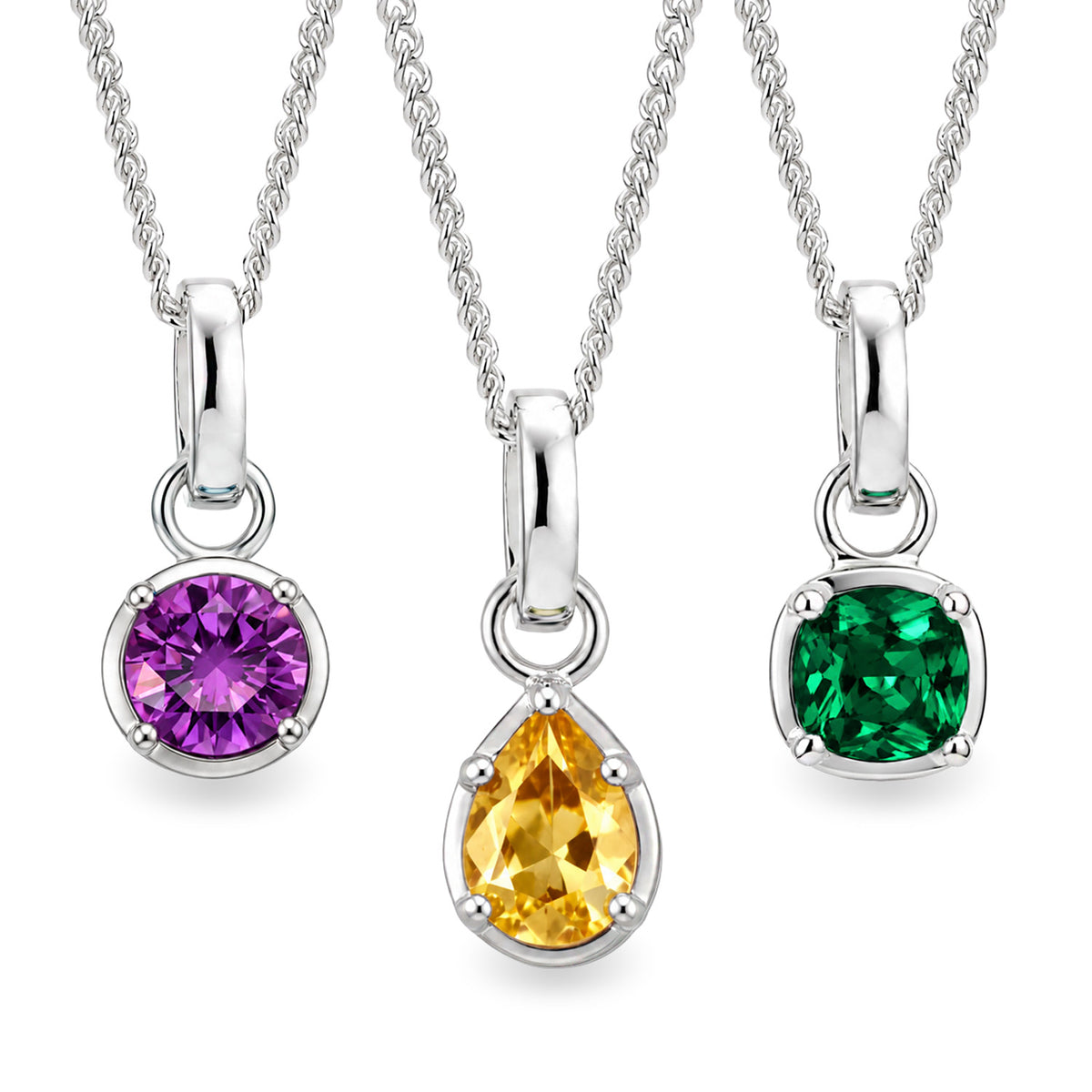
February – amethyst A violet stone that brings balance, calm and inner peace. It is said to ease stress.
March – aquamarine A sea-blue, fairly translucent stone. It symbolises calm, clarity of mind and courage. A soothing stone, and the lucky stone of seafarers.
April – diamond, cubic zirconia and white topaz
Diamonds symbolise eternal, pure love, commitment and endurance. Their clear brilliance is also often associated with truth and honesty.
Cubic zirconia is a laboratory-made stone of zirconium dioxide, created to imitate the optical qualities of a diamond. It has a hardness of 8–8.5 on the Mohs scale, compared with 10 for diamond. Cubic zirconia symbolises the same things as diamond.
White topaz is a genuine natural gemstone. Clear and transparent, it offers a diamond-like look and is surprisingly durable, with a Mohs hardness of 8. White topaz is the stone of purity and inner peace, and is often associated with clarity and truth. In love, it symbolises a relationship without secrets: an encouraging love in which partners help each other grow and see things more clearly.
May – emerald A deep green stone representing growth and bold new beginnings. Known as the "stone of happy love", it brings wisdom, loyalty and balance to relationships.
Other green stones, such as malachite, also serve as May birthstones. Malachite is the stone of growth, change and renewal. Historically it has been regarded as one of the strongest protective stones, and it is said to balance emotions and bring joy.
June – moonstone, pearl and alexandrite
Moonstone is a milky white or pale grey stone. It is the stone of intuition, feminine strength and new beginnings.
Pearl symbolises purity, innocence and timeless elegance. It represents inner wisdom, serenity and "tears of joy".
Alexandrite is one of the world's rarest gemstones. Under incandescent light it takes on a raspberry hue, a blend of pale lilac and pink. Alexandrite stands for happiness, prosperity and the ability to adapt to change.
July – ruby. Deep red, sometimes leaning towards pink. Ruby is one of the so-called cardinal gems, along with diamond, emerald and sapphire. It is the stone of passion, vitality and power.
Other red stones, such as red agate, also serve as July birthstones. Red agate gives its wearer mental and physical strength, symbolises overcoming fears and helps with difficult decisions. Historically, agate was worn as an amulet against accidents and the "evil eye".
August – peridot A light green stone of joy, light and positive energy. It symbolises a sunny outlook and the ability to dispel stress and negativity. It represents nature's constant renewal and spiritual growth, and is said to bring good fortune, prosperity and inner balance.
September – sapphire A deep dark-blue stone symbolising strength, wisdom, loyalty and truth. Blue sapphire is one of the royal or cardinal gems, considered the most precious of all gemstones (the others are diamond, emerald and ruby).
London Blue topaz is also a September birthstone. It is a deep blue stone with a hint of grey and petrol. It is said to protect its wearer, and it symbolises calm and inner clarity.
October – opal A pale stone that changes with the light. It is believed to boost its wearer's creativity, vision and inspiration.
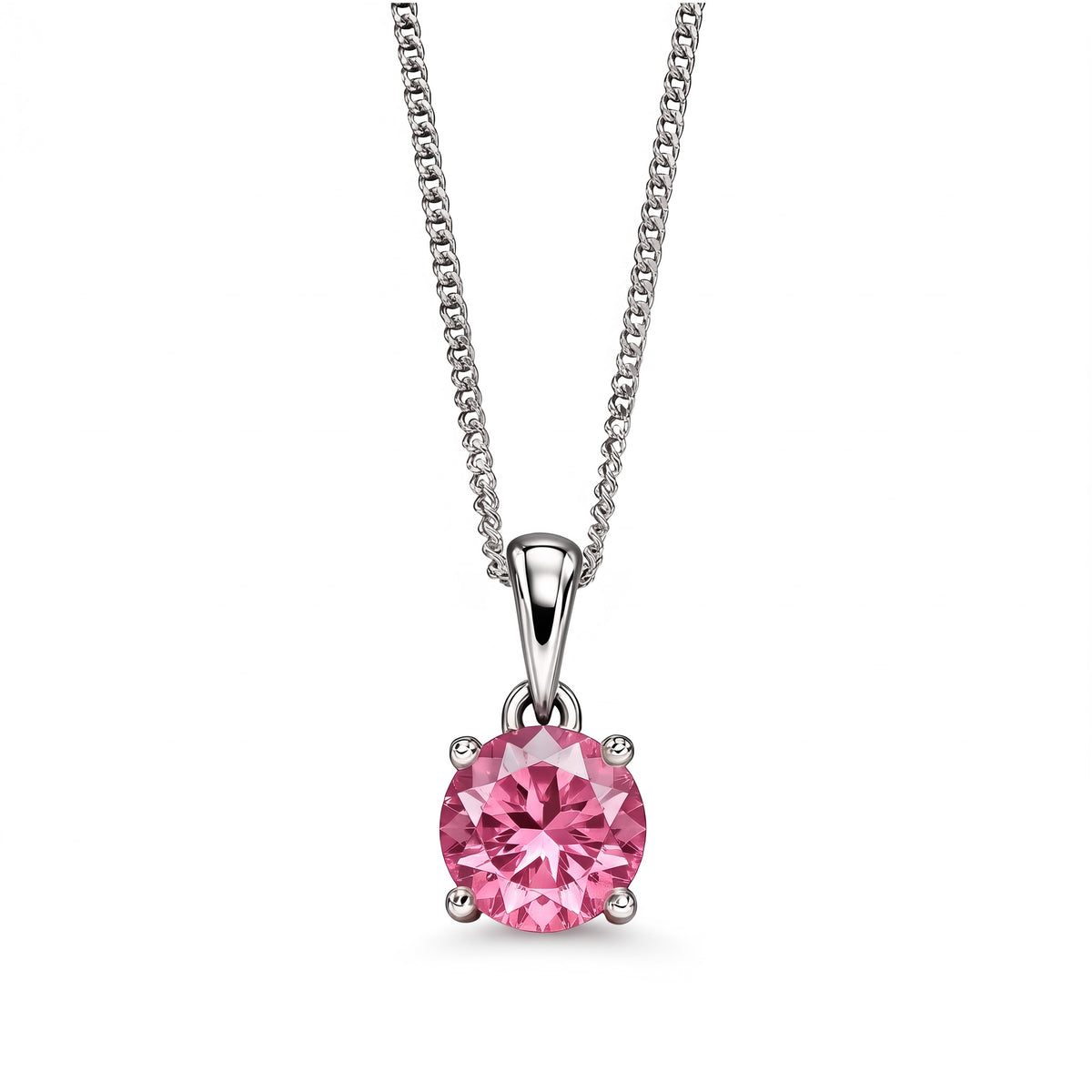
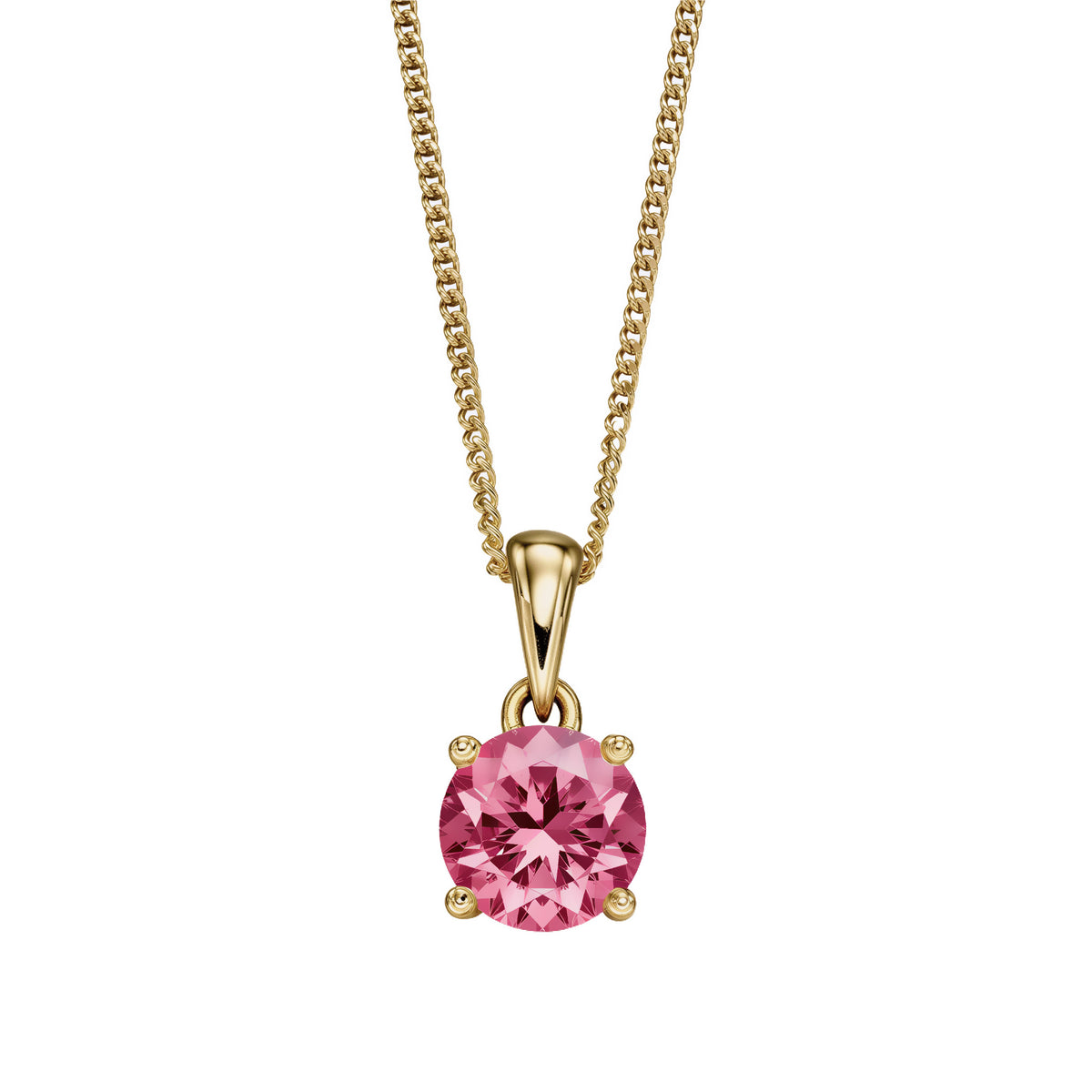
Tourmaline is October's second birthstone. It comes in many colours; as a birthstone it is usually pink. Tourmaline is the stone of protection and inner strength, representing inspiration, creativity and inner harmony.
November – citrine. An orange stone symbolising energy, joy and creativity. It is playfully called a "mini sun".
December – blue topaz and turquoise
Blue topaz is a light blue stone whose colour recalls a clear sky, hence its English name, Sky Blue topaz. It represents calm and wisdom, helping its wearer focus on what matters and find inner peace. It is also a symbol of lasting friendship and loyalty.
Turquoise is December's second birthstone, a stone in, fittingly, a turquoise colour. It is a protective stone said to strengthen the wearer's courage and bring good luck. It is also the stone of friendship, symbolising deep loyalty and selfless friendship.
Who is a birthstone for?
Birthstones have endured for centuries for one reason: as well as being beautiful, they mean something. They carry memories, feelings, stories and connections, which is exactly why they become more than jewellery.
A birthstone piece is one of the most personal gifts you can give:
- as a birthday gift
- for a mother or grandmother
- for a partner
- for a child, as a christening or godparent gift
- for a graduation
- in memory of an important moment
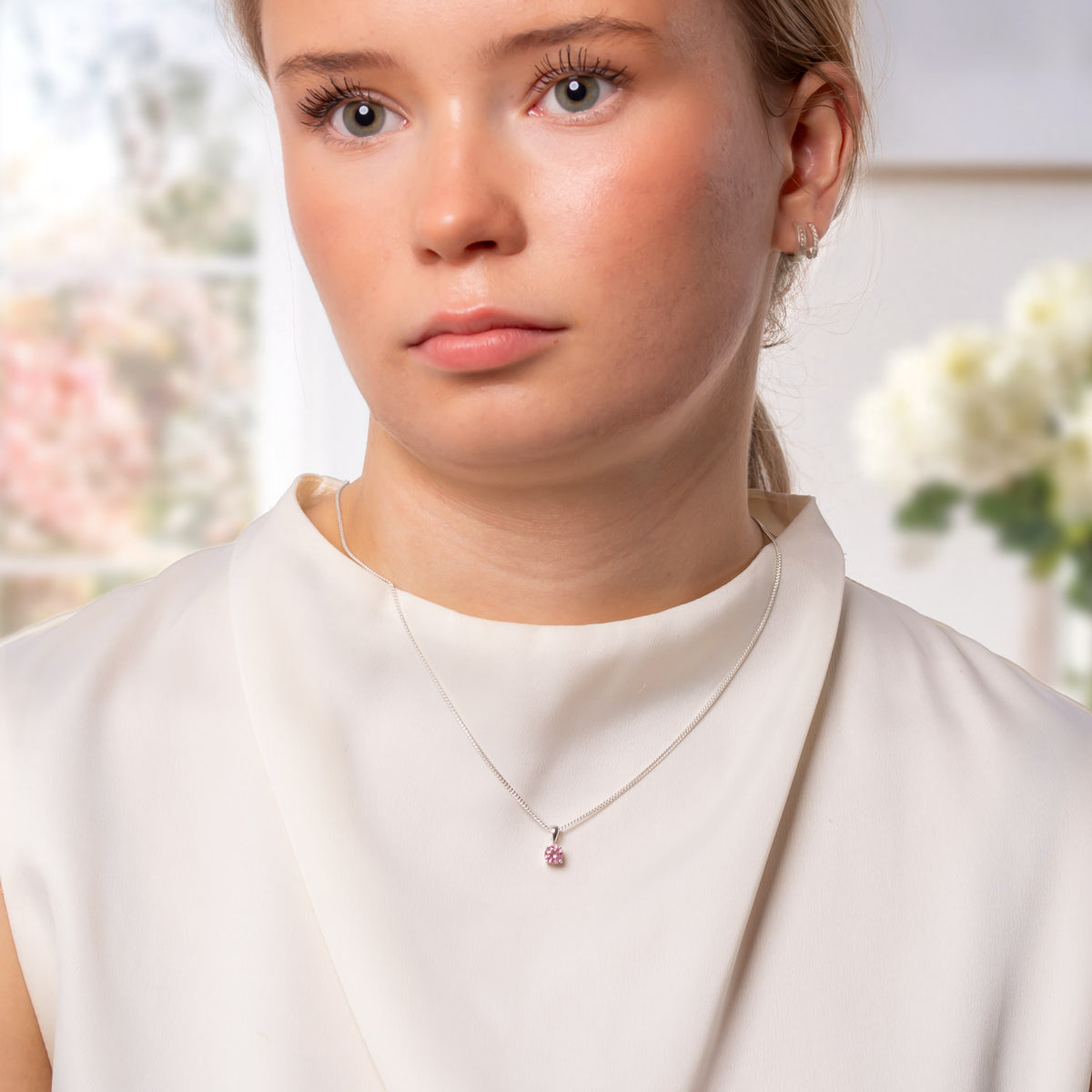
Increasingly, people personalise a birthstone piece even further, for example by adding a letter tag to the pendant.
Another idea is to use birthstone jewellery as family jewellery: a necklace for a mother with all her children's birthstones, or for a grandmother with her grandchildren's stones.